ByJohn A
Biometric Authentication Technologies
Biometric authentication technologies identify and verify individuals through unique physiological or behavioral traits. They rely on enrollment, feature extraction, and matching pipelines, with modality-specific defenses against noise and spoofing. These systems promise faster, more accurate access control but carry privacy, consent, and governance concerns. Effective deployment requires transparent retention policies, data minimization, and ongoing risk oversight. The balance between security gains and user autonomy remains a developing challenge, inviting careful scrutiny of implementation, impact, and safeguards.
What Biometric Tech Really Is and Why It Matters
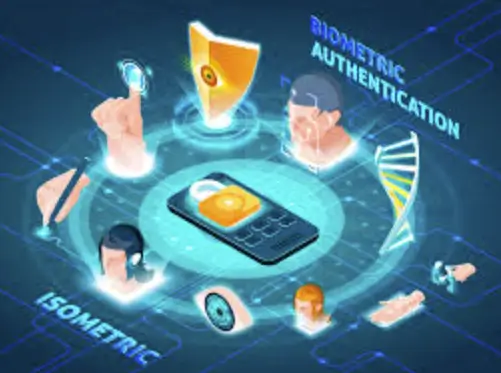
Biometric technology refers to methods of identifying individuals based on unique physiological or behavioral traits, such as fingerprints, facial features, iris patterns, voice, or gait.
The field consolidates measurable signals with analytic rigor, enabling rapid decisions but raising privacy and governance questions.
Biometric privacy and data governance emerge as central constraints, shaping deployment, consent frameworks, risk assessment, and accountability across civil, commercial, and public sectors.
How Biometric Systems Work Across Popular Modalities
Across popular modalities, biometric systems convert distinct physiological or behavioral traits into machine-readable signals, then apply calibrated matching, imaging, or feature-extraction pipelines to determine identity or verification status.
In practice, biometric enrollment standards shape data quality and lifecycle, while modality-specific pipelines address noise, variability, and spoofing resilience, yielding measurable accuracy metrics and failure rates across environments, devices, and population diversity.
Real‑World Uses, Benefits, and Trade‑offs
Real-world deployments demonstrate that biometric systems can streamline access control, authentication, and verification workflows while balancing security, usability, and cost.
Evaluations show improved speed and reduced error rates in controlled settings, yet trade-offs include data privacy concerns and reliance on robust data handling.
User consent remains essential; consent-driven data minimization and transparent retention policies correlate with stronger user trust and sustained system efficacy.
See also: Best Practices for Password Security
Guidelines for Responsible, Secure Deployment and Future Outlook
Guidelines for Responsible, Secure Deployment and Future Outlook: A disciplined approach is essential to translate biometric capabilities into trustworthy, scalable systems. The analysis emphasizes governance structures, ongoing privacy governance, and explicit risk assessment to inform deployment choices. Data-driven evaluation identifies gaps, tests resilience, and balances user autonomy with security imperatives. Clear standards, accountability, and iterative improvement define a sustainable, freedom-oriented trajectory.
Frequently Asked Questions
How Is Biometric Data Protected by Law in My Country?
Legal protections for biometric data vary by country; data sovereignty and consent frameworks shape usage, storage, and cross-border transfer, with penalties for breaches. It evaluates safeguards, transparency, and individual rights, appealing to audiences seeking freedom through robust, enforceable rules.
Can Biometrics Be Fooled by Fake Fingerprints or Masks?
Can biometrics be fooled by fake fingerprints or masks? Yes, biometric systems face fingerprint forgery and mask spoofing risks, but evaluations show multifactor defenses and liveness checks mitigate threats; outcomes depend on sensor quality, algorithms, and policy safeguards.
What Happens if Biometric Data Is Hacked or Leaked?
Biometric data breaches carry lasting risk; once exposed, biometric templates lack reusability protection. Biometric vulnerabilities include irreversible data exposure, so institutions must implement rapid revocation-like measures. Data breach implications demand careful risk assessment and robust, compensating controls.
Do Children’s Biometrics Require Parental Consent or Restrictions?
Children’s consent, Parental involvement: generally, minors’ biometric data collection requires parental consent or authorization, varying by jurisdiction. The evaluative lens emphasizes protective safeguards, with data minimization and clear rights, supporting freedom while ensuring transparent, age-appropriate restrictions.
Are There Privacy-Preserving Alternatives to Biometric Authentication?
Are there privacy-preserving, passwordless alternatives? Yes; data-driven evaluations show tokens, hardware keys, and zero-knowledge proofs offer privacy-preserving approaches. They enable authentication without biometric templates, enabling freedom while reducing data exposure and impersonation risk.
Conclusion
Biometric authentication stands at the crossroads of precision and privacy, a vaulted doorway where signals pulse like fingerprints on glass. Data-minimized pipelines map unique traits into machine-readable codes, then fade into decision trees with measured confidence. Yet the landscape glitters with risk: spoofed inputs, biased samples, and opaque retention policies. When governance is transparent and safeguards are audited, the system becomes a trusted corridor; without it, a tempting trapdoor. The balance between security and autonomy remains the critical metric.