ByJohn A
Best Practices for Password Security
Strong passwords alone no longer suffice. Institutions must enforce multi-factor authentication, strict lockout, and anomaly monitoring to contain risk. A unique-password habit minimizes blast radius and supports governance. Use tools and hardware-backed methods, favor passwordless options with secure fallbacks, and apply least privilege with auditable, interoperable controls. Prioritize phishing detection, rapid containment, and post-incident learning as core resilience. The challenge is designing an adaptable, standards-based approach that scales across environments and keeps attackers from gaining footholds.
Why Strong Passwords Aren’t Enough Anymore
Despite their strength, passwords alone no longer suffice to protect modern accounts. The landscape demands layered controls and vigilant monitoring to mitigate evolving threats.
Organizations should enforce multi-factor authentication, implement account lockout policies, and monitor for anomalies.
Risk remains fromcredential stuffing and weaknesses in password entropy, underscoring the need for standardized, proactive defenses that empower users while preserving security and freedom.
Build a Unique-Password Habit for Every Account
A disciplined approach to password hygiene requires creating a unique password for each account to limit the blast radius of any single credential compromise. A Create unique password habit per account routine fosters risk-aware behavior, reduces reuse, and supports standards-driven governance. Individuals gain resilience through disciplined, repeatable steps, reducing attack surface while maintaining strategic freedom to manage access responsibly.
Use Tools and Authentication to Lock Down Access
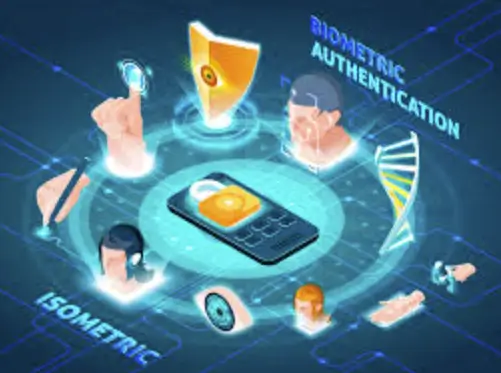
Tools and authentication mechanisms should be selected and configured to minimize exposure and enforce least privilege. The approach emphasizes risk-aware, standards-driven controls: implement hardware security keys, enable passwordless future options, and reinforce enterprise access controls. Consider pulling biometric fallback sparingly to reduce failure risk. Each solution should be auditable, interoperable, and resilient, balancing user freedom with rigorous access governance.
Detect, Deter, and Defend Against Phishing and Breaches
Phishing and breach defense requires a structured, risk-aware approach that prioritizes early detection, rapid deterrence, and robust containment. The practice emphasizes proactive monitoring for phishing indicators, rigorous access controls, and clear breach response procedures.
Deterrence hinges on user awareness and immutable policies, while containment relies on rapid isolation, evidence preservation, and post-incident lessons to strengthen defenses without compromising operational freedom.
Frequently Asked Questions
How Do I Securely Dispose of Old Passwords and Data?
The secure disposal involves secure data shredding of stored passwords and legacy access revocation, ensuring irreversible deletion and removal of credentials from all systems; risk-focused controls align with standards to protect freedom while mitigating residual exposure.
What Constitutes a Strong Passphrase Beyond Length?
Entropy governs strength more than length; a strong passphrase uses unpredictable passphrase structure, avoiding common patterns. It improves password entropy by mixing unrelated words, symbols, and case, sustaining resilience against guesswork while preserving user freedom.
Can Hardware Wallets or Security Keys Replace Passwords Entirely?
Hardware wallets and security keys cannot fully replace passwords. They reduce risk by enabling strong, phishing-resistant authentication, but back-end account recovery, device loss, and single-point failures require password-backed or backup methods to preserve access and governance.
See also: How Different Blockchains Communicate
How Do I Recover Access After Losing a Password Manager?
The answer: After losing a password manager, one must initiate the account recovery flow, relying on a lost master password fallback, supplemented by two factor backup. It enables password manager migration while preserving autonomy and minimizing risk.
Should I Use Biometric Data for Ongoing Authentication?
Silhouette of a gatekeeper, biometric reliability questioned; ongoing authentication depends on consent and privacy impact assessments. The system emphasizes data minimization, rigorous authentication lifecycle controls, and standards-driven risk framing for users seeking freedom with guarded access.
Conclusion
Like a vigilant lighthouse in a fog of credentials, disciplined practices cut through the murk: unique keys, multi-factor gates, and auditable trails. The password is a single flame, but the vault is protected by many hinges—least privilege, anomaly detection, and rapid containment. When phishing shadows gather, rapid containment and post-incident learning reset the harbor. In this mapped voyage, resilience and standards-guided choices chart the course from risk to secure access.