ByJohn A
What Modern Living Looks Like at Home Improvement Centers
Modern living at home improvement centers emphasizes efficiency, accessibility, and informed decision-making. The environment prioritizes clear layouts, labeled aisles, and practical demonstrations. Staff provide concise guidance, permitting quick comparisons among tools, materials, and finishes. Displays reflect current trends, durability, and user-friendliness.
Consumers evaluate options for home improvement projects, balancing cost, quality, and timing, while maintaining a sense of personal autonomy and freedom.
Smart Upgrades That Save Time and Money
Store automation streamlines routine tasks, from inventory checks to lighting schedules, reducing daily friction.
Energy efficiency lowers operating costs through smart thermostats, LED retrofits, and efficient appliances.
Prioritizing interoperability ensures simple control, predictable results, and measurable savings, aligning with a freedom-driven approach to modern living.
See also: Biometric Authentication Technologies
Durable Materials and Easy DIY Projects for Weekends
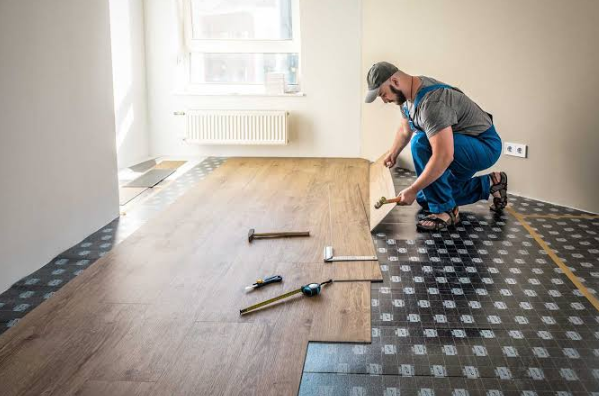
Durable materials and straightforward weekend projects suit busy households by balancing longevity with ease of execution. The guide emphasizes simple, repeatable tasks that require minimal tools while delivering solid results. Practical choices include weatherproof lumber, screw-fastened assemblies, and finish-ready surfaces.
Skilled and novice builders benefit from clear plans, safety checks, and measured timelines, ensuring reliable outcomes and continued freedom in weekend redesigns with durable materials and weekend projects.
Budget-Friendly, Sustainable Design Hacks for Every Room
Budget-friendly, sustainable design hacks for every room focus on maximizing reuse, efficiency, and low-cost improvements without compromising aesthetics or longevity. The approach favors modular storage, repurposed furniture, and smart lighting. It emphasizes durable, repairable components and simple, reproducible color schemes. Budget friendly initiatives include water-saving fixtures and thermal curtains. Sustainable design prioritizes natural light, upcycled accents, and upgrades that save time.
Frequently Asked Questions
How Do I Choose the Right Power Tools for Beginners?
Selecting beginner power tools hinges on balance between capability and comfort; prioritize buying basics, assess tool ergonomics, weigh safety considerations, and estimate cost; choose versatile, reliable models, then refine purchases as needs and skills evolve within personal freedom.
What Are the Best Warranty Options for DIY Purchases?
About 60% of buyers renew warranties annually, indicating strong perceived value. The best options include extended warranties with clear coverage and a service plan that transfers on resale. Consider warranty renewal terms, exclusions, and prompt, accessible customer support.
Which Safety Gear Is Essential for First-Time Projects?
First-timers should prioritize Safety eye protection, Hearing protection, Protective gloves, and Dust mask to minimize common project hazards. A practical approach emphasizes fit, comfort, and durability, enabling steady progress while maintaining personal safety and confidence for ongoing, freedom-minded work.
How Can I Estimate Total Project Costs Accurately?
Satirically, the methodical planner estimates precisely, then overplans anyway. He applies cost estimation, budgeting strategies, and tool selection to quantify materials, labor, and timelines, ensuring realistic buffers. The result is practical accuracy, freedom through disciplined, concise planning.
Where Can I Find Expert Help In-Store for Specialized Tasks?
In store expert assistance is available in-store for specialized task guidance. The guide notes how shoppers access trained staff, who provide practical, concise, and detail-oriented support, empowering customers seeking freedom to tackle complex projects with confidence and clarity.
Conclusion
In a third-person, detached voice, the guide wraps with practical clarity: modern living at a home improvement center centers on accessible choices, not extremes. The objection that upgrades are unaffordable is met with evidence of budget-friendly hacks, durable materials, and time-saving smart options. The rhythm flows from shelves to stories—smart LEDs, modular storage, weatherproof finishes—demonstrating that efficiency and comfort cohere. Clear layouts, concise staff guidance, and repeatable steps empower shoppers to start today.